
Iridology and Sclerology in Oxford, MI

Your eyes carry a detailed record of your health, your inherited tendencies, and the systems currently under stress. At Being Well, Holly reads that record with clinical precision.

Iridology and Sclerology Combined

Non-Invasive and No Equipment Needed

HSA & FSA Accepted

What Is Iridology and How It Works

Iridology is a non-invasive assessment practice that examines the patterns, colors, structures, and markings within the iris of the eye to identify areas of the body that are under stress, genetically weakened or functionally compromised. Each region of the iris corresponds to a specific organ, gland or body system through a detailed mapping system that has been refined and documented over more than a century of clinical observation and research.

The practice is based on the understanding that the nervous system creates a direct anatomical link between every part of the body and the corresponding iris zone, meaning that changes in organ and tissue health produce visible changes in iris structure over time. Holly examines the iris using magnification and specialized lighting at the Oxford MI practice, reading what the eye has recorded about the body’s current and historical state without any invasive procedure.

How Iris Analysis Maps Your Health

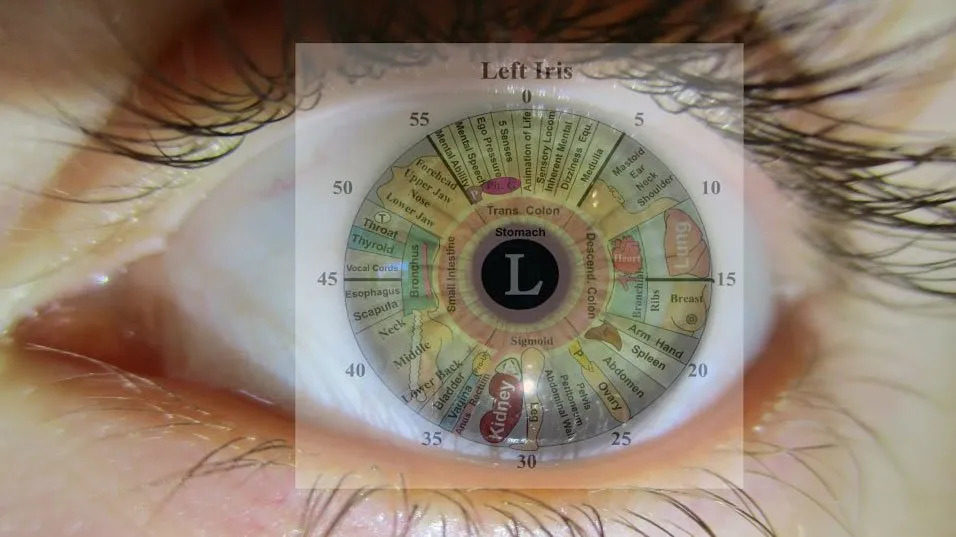
The iridology chart divides each iris into zones that correspond to specific anatomical structures throughout the body. Iris analysis works by matching observable changes in each zone to the health status of the corresponding organ or system.

Here is what the major iris zones correspond to in the body:

What Constitutional Types Reveal About Your Health

Constitutional types in iridology describe the inherited structural and functional tendencies of the body that are visible in the iris from birth. Understanding a client’s constitutional type gives Holly a foundational picture of their inherent strengths, vulnerabilities, and the health patterns most likely to need support throughout their lifetime.
The connective tissue type presents a tightly woven, silk-like iris fiber structure that indicates strong structural integrity overall. However, clients with this constitution tend toward chronic tension, nervous system hypersensitivity, and a predisposition to conditions driven by accumulated physical and emotional stress over long periods.
The lymphatic constitutional type is identifiable by a loose, open iris fiber pattern that reflects a tendency toward fluid imbalances, lymphatic congestion, and immune system reactivity. These clients often present with a history of recurrent infections, skin conditions, and responses to environmental sensitivities.
This dark-pigmented constitutional type, most common in clients with brown irises, reflects metabolic and blood-related tendencies, including liver function, digestive enzyme activity, and inherited tendencies toward mineral metabolism irregularities that standard bloodwork rarely identifies until they become symptomatic.
Many clients present with a mixed constitution that combines features of two or more primary types. Holly identifies which combination is present and explains how the interaction between those constitutional patterns shapes the specific health concerns and inherited tendencies the client is most likely navigating.

What Sclerology Reveals Beyond Iris Analysis

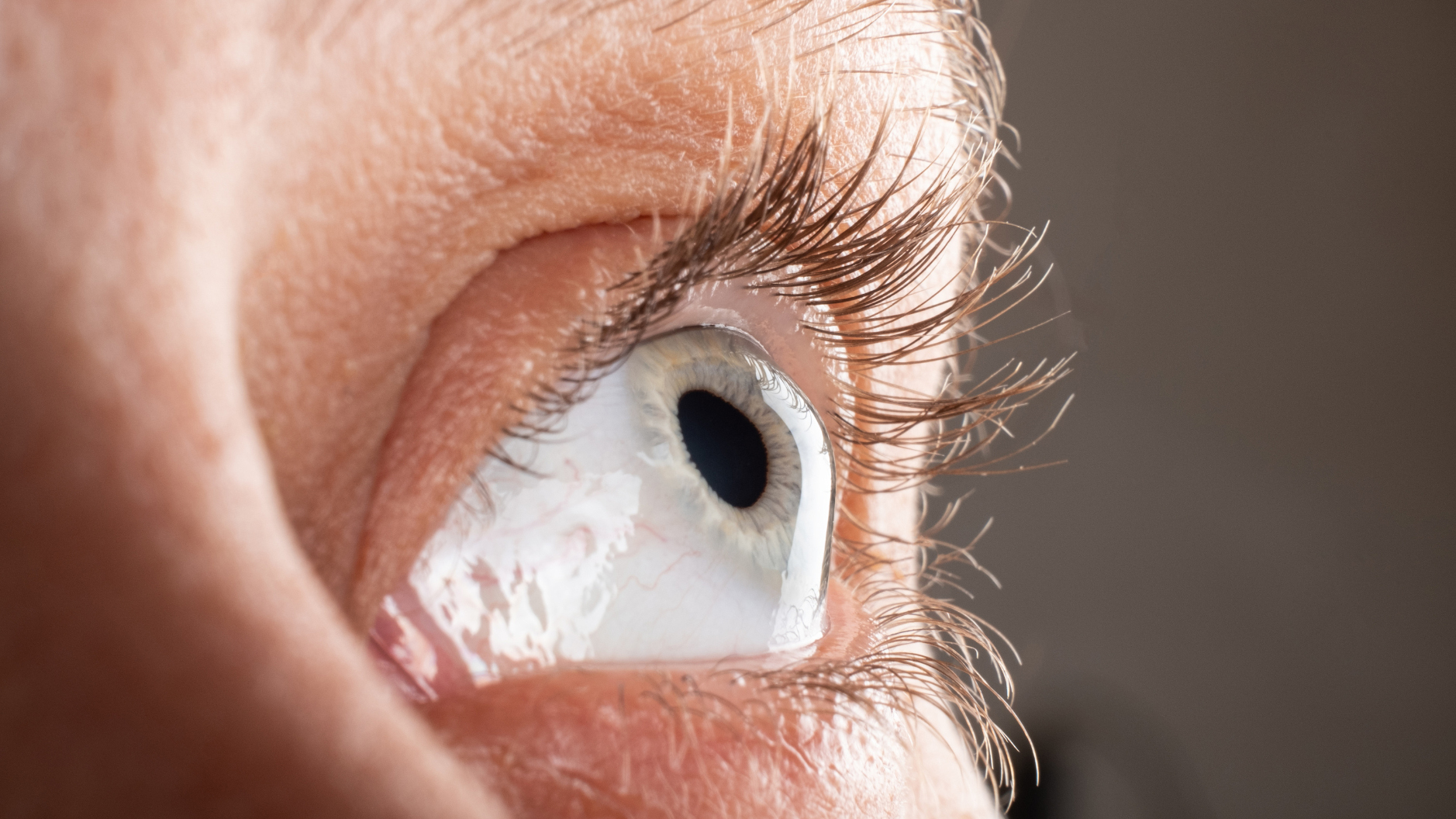
While the iris shows constitutional, inherited, and long-term functional patterns, sclera analysis reads the current and acute state of the body through the blood vessel patterns, markings, and colorations visible in the whites of the eyes. Together, these two assessments give Holly a complete temporal picture of the body that neither tool produces alone.

Here is what the sclera reading specifically reveals that the iris does not:

Health Concerns Identified Through Eye Health Analysis

Neither iridology nor sclerology diagnoses disease. What they do together is provide Holly with a layered, non-invasive picture of the body’s current state, constitutional vulnerabilities, and functional patterns. A combined eye health analysis at Being Well consistently reveals health patterns that clients have been experiencing for years without a clear explanation.


The digestive zone of the iris is one of the most consistently informative areas in any reading. Iris markings in this region frequently correlate with conditions, including poor nutrient absorption, bowel irregularity, liver congestion, and leaky gut patterns that standard digestive testing has not fully explained.
Lymphatic rosaries, nerve rings, and specific pigment deposits in the iris lymphatic zones point toward immune system overactivation or suppression patterns that help Holly understand why a client's immune responses have been inconsistent or disproportionate to the triggers involved.
Specific iris structures, including arcus senilis, nerve wreath irregularities, and autonomic nerve ring markings, reflect the degree of adrenal and nervous system burden a client is currently carrying. These patterns frequently explain the chronic fatigue, sleep disruption, and stress intolerance clients report when their adrenal function has been under prolonged demand.
The outer zones of the iris reflect inherited structural tendencies in the joints, spine, and connective tissue. Holly uses these patterns alongside the client's symptom history to identify whether musculoskeletal complaints are primarily constitutional, inflammatory, or related to circulatory insufficiency in those areas.
Specific pigment deposits known as psora and drug deposits, along with scleral markings indicating toxic accumulation, give Holly a non-invasive view of the body's current metabolic burden. These findings frequently guide her toward recommending OligoScan testing or Live Blood Cell Analysis for a more quantified picture of what the eyes are pointing toward.

Iridology Benefits for Your Health Awareness

The iridology and sclerology combination gives Holly two distinct time frames of health information simultaneously. The iris shows what the body has been carrying constitutionally and structurally over the years, while the sclera shows what is happening right now, producing a depth of health picture that no other single non-invasive assessment tool provides.
The entire assessment is conducted through magnified observation of the eyes. There is no blood draw, no physical discomfort, and no laboratory processing time. Holly reads and explains findings directly during the session, so clients leave with immediate and clear information about what the assessment revealed.
Conventional blood tests measure what is currently circulating at a single point in time. Iridology reads constitutional and structural patterns that have been developing for years and may not yet register on any lab panel. Many clients discover patterns during this assessment that explain long-standing health concerns that repeated conventional testing has returned as normal.
Iridology findings directly influence which other assessments Holly recommends and which areas of the care plan receive the most initial focus. Rather than treating every health concern with equal priority, the iris and sclera reading helps Holly sequence the care plan according to what the body's own indicators show is most pressing.
Iridology and sclerology are among the most accessible assessment options available. They require no preparation, no physical contact with the eye itself, and no discomfort at any point. Holly regularly uses this assessment with clients of all ages, including children and elderly clients, for whom other assessment methods may be less suitable.

Who Should Book This Natural Eye Reading

This assessment suits anyone who wants a thorough, non-invasive picture of their constitutional health, current stress patterns, and inherited tendencies without undergoing laboratory testing or invasive procedures.

This session is particularly well-suited for people who are:

Starting a New Health Plan

Anyone beginning a natural health journey who wants a clear constitutional baseline before Holly designs their first care plan

Seeking Answers After Normal Lab Results

Clients whose standard tests consistently come back clear despite persistent and real symptoms that have never been adequately explained

Interested in Constitutional Health

People who want to understand their inherited health tendencies and the patterns their body has been predisposed to since birth

Managing Multiple Unconnected Symptoms

Anyone dealing with complaints across different body systems who suspects an underlying constitutional pattern is connecting them

Combining Multiple Assessment Tools

Existing Being Well clients who want to add iridology alongside Live Blood Cell Analysis or OligoScan for a more complete internal health picture

Wanting a Fully Non-Invasive Option

Clients who are not yet ready for hands-on therapies or laboratory assessments and want a gentle, informative starting point

What Your Iridology Session Includes

Your session begins with Holly reviewing your current health concerns and health history before looking at your eyes. This context shapes how she interprets what she observes and ensures that the findings connect directly to what you have experienced rather than being read in isolation.

Holly examines both eyes under magnification in a specific sequence, working through each iris zone and corresponding scleral region systematically. She explains what she is observing in plain language as the session progresses, so there is no delay between the observation and the explanation. Clients never leave wondering what a finding means.

Here is what the session covers from start to finish:
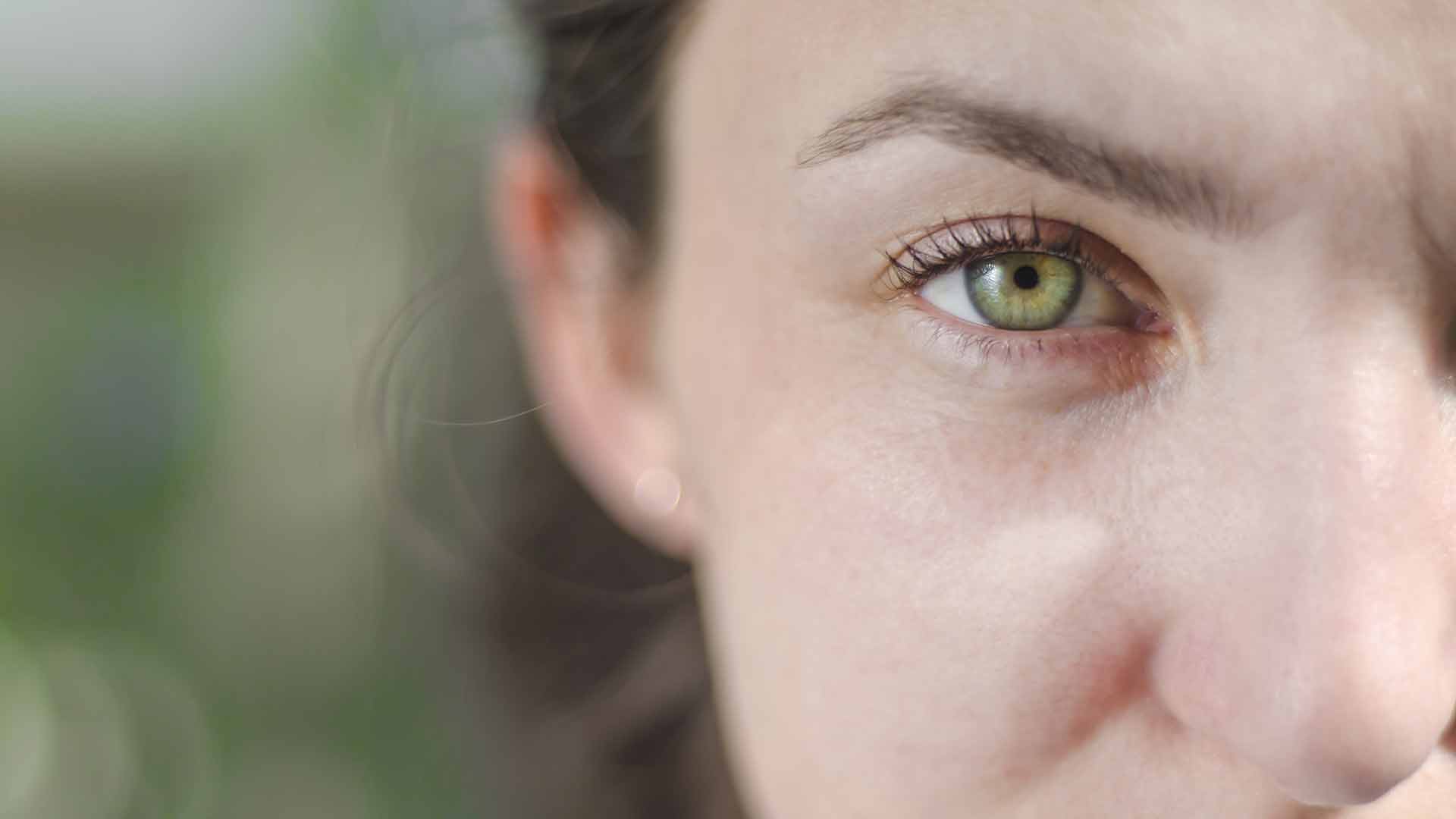
Why Being Well Is Oakland County's Iridologist

Holly reads the iris and sclera with the clinical precision of someone who spent 22 years in emergency medicine before building this practice. That background means she connects what she sees in the eye to her complete knowledge of anatomy, physiology, and the client's full health history rather than reading the eye in isolation from everything else.
At Being Well Natural Health & Nutrition, every session combines iridology and sclerology rather than offering one without the other. Most practitioners use one or the other. Holly uses both because the iris and sclera provide distinct and complementary information that produces a more complete clinical picture together than either delivers alone.
Iridology findings at Being Well do not sit in a report that clients take home and look up themselves. Every finding connects directly to Holly's broader care recommendations, including which other services within the practice are most relevant and which supplement or dietary priorities the assessment has pointed toward.
For clients across Oakland County and the surrounding region, access to a qualified iridologist who also reads sclerology within a full natural health care framework is genuinely rare. Many clients make the drive to Being Well specifically because this combination of assessment depth and clinical integration is not available at practices closer to home.

The relationship between chronic psychological stress and physical health symptoms is frequently underestimated in conventional medicine and overestimated in general wellness content. Holly assesses this connection carefully during the evaluation, identifying where stress physiology is producing measurable physical symptoms that would not resolve through physical treatment alone.

Occupational exposures, dietary sources, environmental contamination, and long-term medication use can all contribute to a level of toxic burden that gradually undermines normal physiological function. The evaluation is often the first time a client has discussed these exposures in enough detail to recognize their potential contribution to their current health picture.

Eyes That Tell the Story Your Symptoms Cannot

Standard health care asks what is wrong right now. Iridology asks what has always been predisposed to go wrong and what the body has been quietly working against for years before the symptom appeared. That is a fundamentally different question, and it produces fundamentally different answers.

Holly uses what the eyes reveal to explain patterns that clients have been living with for so long they assumed they were simply the way their body was built. Knowing that a pattern is constitutional rather than accidental changes how it is approached and how realistic the expected outcome of any care plan becomes.

Here is what that means in practice for clients who come to Being Well for this assessment:
What Our Clients Say About Being Well Natural Health & Nutrition

Holistic Wellness Across Oakland County and Beyond

Our practice is located at 925 N Lapeer Rd in Oxford and serves clients from across a wide area of Southeast Michigan, covering communities in Oakland County, Lapeer County, Macomb County, and Genesee County.

Many clients come to Being Well after searching for holistic health near me and realizing that very few practices in this area offer this level of specialized care. We regularly see clients from:

For clients across Oakland County and surrounding communities, Being Well offers the kind of wellness center care that is rarely available this close to home.

Common Questions About Iridology Near You

If you came across Being Well while researching your options for a first wellness visit in Oxford or the surrounding area, here are the answers to the questions most clients ask before they book.
Iridology is a legitimate assessment tool used by naturopaths and holistic practitioners worldwide. It does not diagnose disease and is not recognized as a conventional medical diagnostic method. What it does is identify constitutional patterns and functional tendencies that guide natural health recommendations. Holly uses it as one piece of a broader assessment picture rather than as a standalone diagnostic conclusion.
Iridology reads the iris to reveal constitutional, inherited, and long-term structural health patterns. Sclerology reads the scleral blood vessel patterns for current and acute health indicators. Together, they provide a complete temporal health picture covering both what the body has always tended toward and what it is experiencing right now.
Being Well offers iridology and sclerology in Oxford, MI, and regularly sees clients from across Oakland County and Southeast Michigan for this assessment. No referral is needed, and the session is fully non-invasive with no preparation required.
At Being Well, a standalone 60-minute iridology and sclerology assessment is $90. For new clients booking a full initial consultation that includes iridology, the 90-minute appointment is $150. HSA and FSA cards are accepted, and no additional fees are applied after the session.
The assessment itself typically runs 30 to 40 minutes within the appointment time. For first-time clients, it is conducted within the 90-minute consultation, so Holly can connect findings directly to your full health history. Follow-up iridology sessions run 60 minutes.
Yes. The digestive zone of the iris is one of the most consistently informative areas in any iridology reading. Markings in this region frequently correlate with absorption issues, bowel irregularity, and liver congestion that standard digestive panels have not fully explained.
No specific preparation is needed. Avoid wearing contact lenses on the day of your appointment, as they can affect iris clarity under magnification. Come with your health history and a list of your current symptoms so Holly can connect the findings to your experience during the session.

Iridology Consultation Cost and Session Pricing

Service Duration Price
Iridology and Sclerology Assessment
60 Minutes

$90

Initial Consultation with Iridology Assessment
90 Minutes

$150

HSA and FSA cards are accepted for all services. Payments can be made online at booking or prepaid by phone. No referral needed to book your first appointment.

Book Your Sound Therapy Session in Oxford, MI Today

Your eyes have been keeping a record of your health since birth. Book your iridology and sclerology session at Being Well online or contact the practice directly by phone.